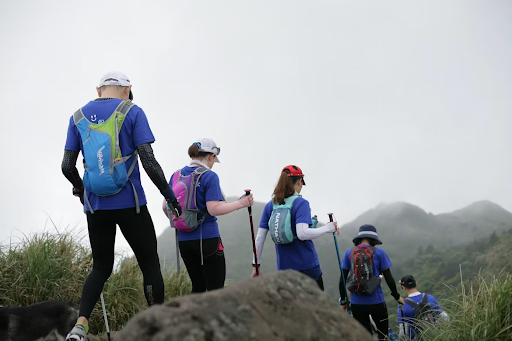
There are 10,000 new geocaches hidden across the globe every day, yet millions of active recreation enthusiasts still struggle to find hobbies that engage their brains as much as their boots. Moving through nature is fine, but purely physical movement often fails to scratch a deep strategic itch. The real magic happens when you mix terrain, some unpredictability, and tactical analysis.
If you crave spatial problems, calculated risks, and real-world discovery, you need activities that treat the outdoors as a massive, dynamic board game.
Decoding Terrain Mechanics and Reading the Landscape
Outdoor strategy begins with reading subtle environmental cues that others walk past. A topographical map or satellite image is not just a guide, it is a puzzle showing elevation shifts, water drainages, and historical land use.
Whether you are plotting a cross-country route or predicting where natural deposits settle, successful explorers analyze how time and weather shape physical spaces. This predictive mindset turns an ordinary walk into a mental exercise where every contour line tells a story.
Gold Prospecting and the Science of Heavy Mineral Accumulation
Gold hunting is the ultimate combination of geological strategy and patience. Gold does not drop at random; it follows physics, settling into riverbed bedrock cracks, inside bent gravel bars, and behind heavy obstructions.
You must read river hydrology to predict where heavy materials drop out of fast water. Modern prospectors rely on detectors for gold hunting to validate their geological theories, instantly checking deep ground layers without digging up entire riverbanks.
It is a game of calculated trial, spatial theory, and instant physical feedback.
Office Sports Pools and Predictive Strategy
Strategic thinking does not always require remote wilderness. Bringing friendly prediction games into group settings is an opportunity to build and strengthen connections while testing your analytical skills against real-world data.
- Evaluating team statistics against weather patterns and travel schedules
- Balancing high risk picks against safe consensus choices to maximize total points
Whether analyzing sports trends or reading terrain, calculating probabilities drives the fun.
Orienteering and High-Speed Spatial Navigation
Orienteering forces you to make split second navigational choices while moving at top speed. Armed with only a topographic map and a magnetic compass, competitors must locate hidden control points scattered across unfamiliar wilderness.
Choosing the shortest route on paper often means tackling brutal elevation or thick brush. Technical outdoor exploration requires balancing raw speed against smart route choices to avoid costly physical burnout.
Modern Geocaching and GPS-Powered Treasure Hunting
Geocaching turns the entire world into a giant hide-and-seek grid using satellite navigation. Players track down hidden containers using precise GPS coordinates, but finding the cache requires reading subtle urban or woodland clues.
With over three million active geocaches hidden worldwide, developers place these physical puzzles everywhere from mountain peaks to city alleyways. Cracking clever multi-step puzzle caches tests your spatial problem-solving under changing weather conditions.
Tactical Paintball and Wilderness Movement
Large scale paintball events shift strategy from individual navigation to complex team tactics. Winning requires controlling sightlines, managing cover, and anticipating human behavior under pressure.
You must read the terrain to map out flank routes, evaluate concealment against actual ballistic cover, and execute coordinated pushes. A well planned flank through heavy brush often beats pure marksmanship.
Drone Racing and First Person Flight Strategy
First person view drone racing merges high-tech hardware with outdoor spatial awareness. Pilots navigate tight, three dimensional obstacle courses at blinding speeds using video goggles fed directly from onboard cameras.
Success requires memorizing line choices, calculating battery discharge rates, and adjusting flight trajectories for wind gusts. It offers the tactical complexity of motorsport right in an open park.
Precision Target Archery and Environmental Factors
Shooting targets outdoors introduces volatile natural variables that indoor ranges lack. Wind drift, shifting light, and changing slope angles require constant mental calculation before every release.
Archers must calculate holdover adjustments and read changing breezes by watching surrounding grass and leaves. Executing a perfect shot requires total physical discipline coupled with rapid mental math.
Finding the Strategic Outdoor Pursuit That Fits You
Choosing the right activity comes down to one thing. Do you prefer competing directly against other people or solving environmental puzzles on your own?
Every activity listed here replaces mindless physical exertion with deep tactical engagement and meaningful rewards. Start by auditing the tools, terrain, and mental challenges that excite you most. The outdoor world is ready for your next big play.
Scroll down to see the related articles or explore the blog for more articles on activities outdoorsy strategists love.

.jpg)
.jpg)